
Modern fitness clothing is dominated by synthetic materials: polyester, nylon, and elastane. These are all plastics derived from fossil fuels. Over the last two decades, gym wear has not only become more synthetic, but also increasingly tight, designed to sit directly on the skin for long periods under heat, sweat, and friction.
Why We Train Wrapped in Plastic?
This shift raises practical concerns. Plastic-based fabrics behave very differently from natural fibers, especially when worn close to the body during intense physical activity.
Plastic, sweat, and constant skin contact

Tight synthetic clothing creates a high-contact environment: minimal airflow, trapped heat, and prolonged moisture against the skin. Sweat does not simply evaporate, but it mixes with skin oils and remains in contact with the fabric.
Some plastics and textile finishes are known to contain chemicals that can interfere with hormonal systems. While this does not mean that wearing synthetic leggings automatically causes harm, it does mean that plastic-heavy, tight-fitting clothing can increase skin exposure compared to looser garments made from breathable natural fibers.
The issue is not only what the fabric is made of, but how it is worn: stretched tightly across the body, warmed by exercise, and soaked with sweat.
Why synthetic activewear smells faster
One of the most common complaints about plastic sportswear is odor. Polyester and nylon are hydrophobic. They repel water but bind easily to oily compounds from the skin. These oils become food for odor-causing bacteria.
As a result:
- Synthetic shirts tend to smell sooner during workouts
- Odors are harder to wash out
- The smell often returns quickly after re-wearing
Natural fabrics such as wool and cotton behave differently. They absorb moisture, allow airflow, and do not trap odor compounds as aggressively as synthetics.
For many people, going to the gym no longer feels neutral. There is an unspoken expectation about what “proper” workout clothing looks like: tight synthetic T-shirts for men, tight leggings for women. Anything outside this norm is often perceived as outdated, unprofessional, or not serious enough.
This did not happen by accident. It is the result of several overlapping forces that shaped modern fitness culture.
Performance marketing trained consumers
Activewear brands have spent decades associating skin-tight synthetic clothing with performance, discipline, and results. Compression was framed as scientific, technical, and superior. Loose or natural fabrics were framed as inefficient or old-fashioned.
Over time, this messaging trained consumers to believe that tighter automatically means better, even when the actual performance benefits are marginal or context-dependent.
Plastic fabrics made mass production easier
Polyester and elastane allowed brands to standardize fit across body types, reduce returns, and simplify sizing. Stretch plastics forgive sizing errors, cling to the body, and photograph well.
This made tight synthetic clothing cheaper to design, easier to market, and more predictable in large-scale production than garments made from woven natural fibers.
Social signaling inside the gym
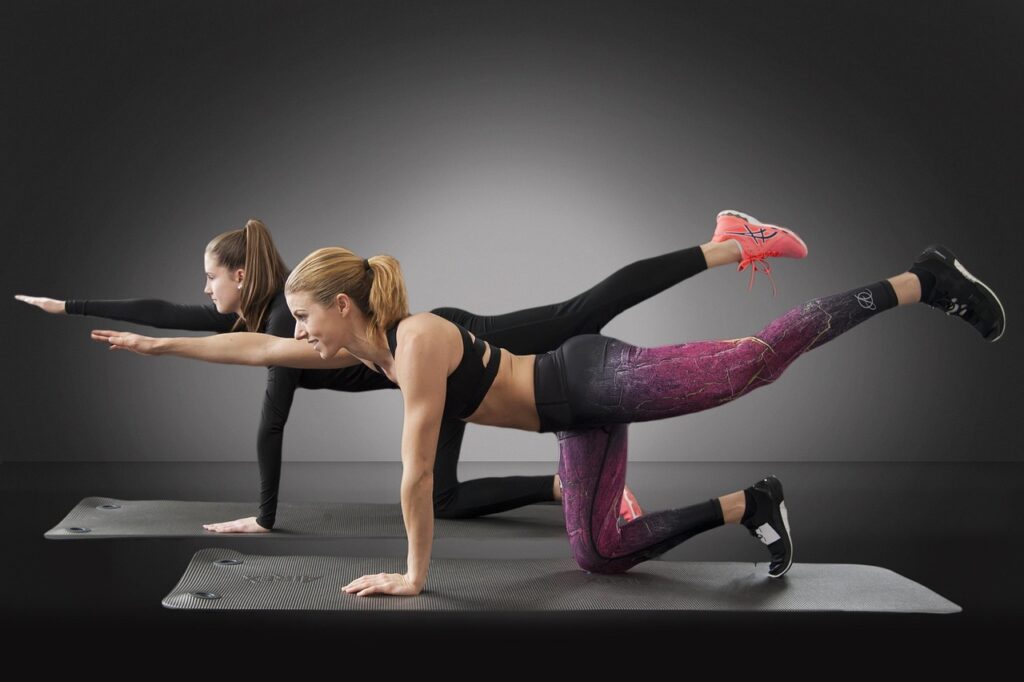
Gyms function as social environments, not just training spaces. Clothing became a visual shorthand for belonging. Wearing tight, modern activewear signals that someone understands gym culture and participates in it.
Men’s fitted technical shirts emphasize muscularity and leanness. Women’s leggings emphasize shape and definition. Over time, these silhouettes became normalized and expected.
Normalization through repetition
When everyone around you wears the same type of clothing, it stops feeling optional. New gym members quickly adapt to avoid standing out, even if the clothing feels uncomfortable, overly tight, or impractical.
Natural materials that actually work for training
Natural fitness clothing does not mean giving up performance. Several materials are already used successfully in activewear.
Merino wool
- Naturally temperature-regulating
- Lower odor retention than polyester
- Comfortable across a wide range of intensities
Merino is especially effective for training tops and base layers.
Lyocell (TENCEL™)
- Made from wood cellulose
- Breathable and smooth on skin
- Often blended with wool or cotton
Organic cotton
- Breathable and skin-friendly
- Best for strength training, yoga, and low-impact workouts
- Heavier when fully soaked
Hemp
- Strong and durable
- Good airflow
- Often blended with cotton or lyocell for comfort
Brands pushing fitnesswear toward cleaner materials
While most performance apparel is still dominated by polyester and elastane, a small group of brands is actively reducing plastic use, increasing natural fiber content, or rethinking how stretch and durability are achieved. These brands are not perfect, but they represent meaningful steps away from fully synthetic, skin-tight sportswear.
Quince
Quince operates at an accessible price point while offering activewear made with recycled and OEKO-TEX® certified materials. Its fitness line focuses on yoga, pilates, and low-impact movement, with designs that prioritize comfort and coverage over extreme compression.
Although many pieces still rely on synthetics for stretch, Quince emphasizes safer dye processes, ethical manufacturing standards, and simpler constructions. This makes the brand a common entry point for consumers beginning to move away from conventional fast-fashion activewear.
MATE the Label
MATE the Label is one of the few activewear brands centered around organic cotton rather than plastic-based fabrics. Its leggings, tanks, and bras are designed for low-impact workouts and everyday movement, offering stretch through fabric construction instead of heavy elastane use.
The brand’s approach favors thicker fabrics, moderate support, and long-term wear. This makes its pieces suitable for yoga, walking, and daily activity where breathability and skin comfort are more important than compression.
Pact
Pact focuses on GOTS-certified organic cotton and Fair Trade production. Its activewear sits between loungewear and fitnesswear, making it most suitable for light training, stretching, and recovery days.
Compared to synthetic leggings, Pact’s cotton-based designs offer improved breathability and reduced chemical processing, though they trade off some stretch and moisture management. The brand highlights a clear alternative for people with sensitive skin or those looking to reduce synthetic fabric exposure.
Girlfriend Collective
Girlfriend Collective represents a transitional model in activewear. Its products are performance-focused and highly compressive, but primarily made from recycled plastic rather than virgin synthetics.
While recycled polyester remains a plastic material, the brand emphasizes durability, long wear life, and circular programs such as resale and take-back initiatives. For athletes who require strong support but want reduced environmental impact, Girlfriend Collective sits between conventional activewear and natural-fiber alternatives.
Patagonia
Patagonia applies its long-standing environmental standards to sports and outdoor apparel. The brand combines recycled synthetics with natural fibers such as organic cotton and hemp, particularly in lower-intensity and outdoor-focused pieces.
Patagonia also limits harmful chemical treatments and offers repair and resale programs that extend garment life. While not plastic-free, its fitness and outdoor lines demonstrate how durability, breathability, and reduced chemical use can coexist with performance requirements.
Together, these brands show that the fitness apparel industry does not have to rely entirely on tight, plastic-based garments. Even incremental changes in materials, fit, and production standards can reduce skin exposure, improve comfort, and point toward a more balanced future for activewear.
Where fitness clothing is heading
The industry is under pressure from consumers and regulators to reduce plastic use. Several directions are emerging:
- Stretch fibers made from natural rubber instead of spandex
- Bio-based elastane designed to break down more easily
- Advanced plant-based cellulose fibers with improved durability
The future of fitness clothing is likely to be hybrid: fewer fossil-based plastics, smarter material choices, and designs that rely less on extreme compression.
A practical approach for athletes
Reducing plastic exposure does not require replacing everything at once.
- Start with training tops made from merino wool
- Choose looser fits where possible
- Limit long post-workout wear of synthetic clothing
Performance does not require wrapping the body in plastic. Natural materials already exist that manage heat, sweat, and odor, while being simpler, more breathable, and easier on the skin.
